
Some technology shows let you look. This one lets you listen, feel, and experience. Every October, the Palais des Congrès de Paris transforms into a sprawling playground of sound, light, and image, and the 2026 edition is set to be the biggest version yet. With an expanded footprint, a dedicated new hall for music, and live demonstrations running from morning to night, this is the kind of event where you walk in curious and walk out genuinely inspired.
Here is everything you need to know before you go.
When and Where It All Happens
The 2026 edition runs from October 23 to 26 at the Palais des Congrès de Paris, located at Porte Maillot in the 17th arrondissement. The venue sits directly above a major metro station, making it one of the easiest exhibition spaces in the city to reach without a car.
This year brings a significant expansion. The show now spans three exhibition halls covering more than 12,000 square meters, with over 200 exhibitors and more than 600 brands on display. Therefore, visitors can expect a noticeably bigger experience compared to recent years, with more room to explore, more products to test, and more live content packed into each day.
A Bigger Show With a New Dedicated Music Hall
One of the most exciting changes for 2026 is the addition of an entire hall devoted to music. Musicians, DJs, producers, and audio professionals now have a space built specifically for them, separate from the traditional hi-fi and home cinema sections.
This new hall is organized around live animation, demonstrations, performances, and conferences exploring upcoming trends in music production and performance technology. Additionally, the layout across all three halls has been reorganized by theme, helping visitors navigate more intuitively between speakers, headphones, projectors, vinyl turntables, televisions, mixing consoles, lighting equipment, and instruments.
This thematic structure matters more than it might seem at first glance. With hundreds of exhibitors spread across such a large footprint, clear organization helps visitors focus on what interests them most, rather than wandering aimlessly through unrelated booths.
New Technology Taking Center Stage
Spatial Audio and Multichannel Sound
Spatial audio has moved from a niche feature to a mainstream expectation among serious listeners. Brands across the show floor will demonstrate multichannel sound systems designed to recreate three-dimensional audio environments, whether for music, film, or gaming. These systems place sound around the listener instead of only in front. They create a more immersive sense of depth and space. Traditional stereo setups cannot match this experience.
Laser Projection and Ultra-Low-Latency Displays
Home cinema technology continues to push forward, with laser projectors and ultra-low-latency displays drawing significant attention this year. For gamers and film enthusiasts alike, reduced latency means a more responsive and immersive viewing experience. Visitors will be able to compare different projector technologies side by side in dedicated demonstration rooms.
Vinyl and Analog Revival
Despite all the digital innovation on display, analog audio remains a genuinely strong presence at the show. Vinyl turntables, tube amplifiers, and analog mixing equipment continue to attract dedicated enthusiasts who value the warmth and character of these older formats. This blend of cutting-edge digital technology alongside analog craftsmanship is part of what makes the event feel different from a purely futuristic tech expo.
Immersive Gaming Crossover
The line between home cinema and competitive gaming continues to blur. Expect to see low-latency displays, advanced controllers, and spatial sound setups marketed specifically toward gamers, not just film and music fans. More gaming hardware companies are embracing premium audio and visual technology. They recognize that high-quality sound and visuals create a more immersive gameplay experience. This crossover reflects a broader trend across the gaming and AV industries.
Live Demos You Should Not Miss
What makes this event genuinely special is its emphasis on live, hands-on demonstration rather than static displays. Brands set up calibrated listening rooms where visitors can sit down, close their eyes, and experience a sound system exactly as its engineers intended.
Throughout each day, demonstrations are hosted directly by the people who designed the products. This means visitors get a rare opportunity to ask detailed technical questions and receive answers from genuine experts, not just sales staff. Many brands use this event to unveil new products for the first time. Visitors get the chance to see world premieres before they arrive in stores. This exclusive access makes the event especially exciting for industry professionals and consumers alike.
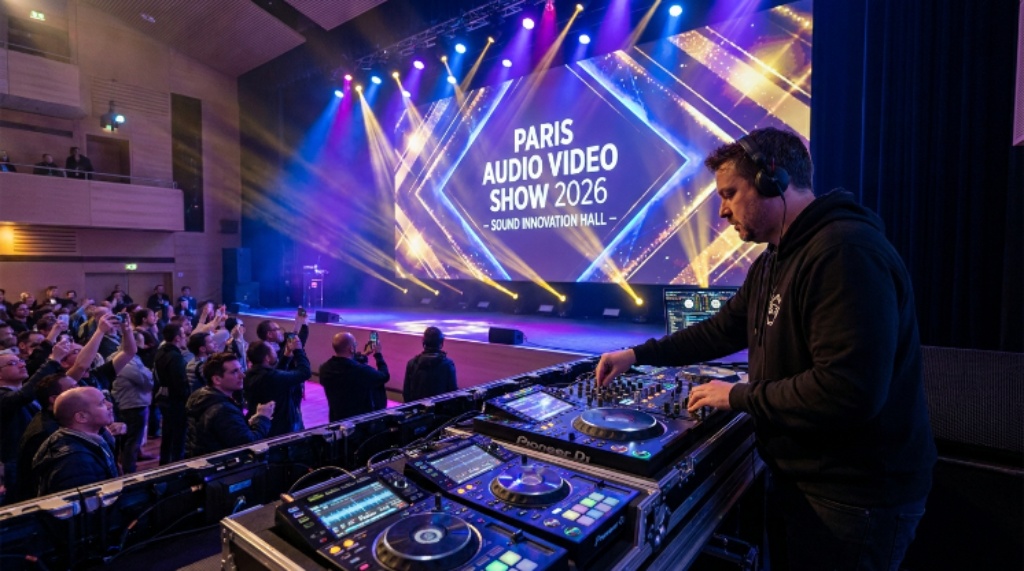
In the new music hall, expect live performances and production demonstrations that go beyond simple equipment testing. DJs and musicians will showcase how mixing consoles, lighting rigs, and stage audio technology come together in a genuinely performative setting. This is a markedly different experience from quietly browsing a product catalog online.
Conferences and Expert Panels
Beyond the exhibition floor, scheduled conferences and panel discussions run throughout the event. These sessions bring together engineers, journalists, and industry leaders to discuss where audio and visual technology is heading next. Topics typically include emerging display formats, the future of spatial sound, and shifting trends in music production technology.
Attending even one or two of these talks can add real depth to your visit. Rather than simply seeing new products, you gain insight into the thinking and engineering decisions behind them. The full conference schedule is usually published on the official event website before the show begins. It is worth checking the schedule in advance. This helps you plan your day around the sessions that interest you most.
Ticket Prices and Smart Ways to Save
Despite its growing scale, this event remains one of the more affordable technology shows in Europe. Two-day tickets are typically priced around 10 euros at full rate, with a reduced rate of 8 euros for students, jobseekers, and people with disabilities upon presentation of valid proof.
Buying online through presale is consistently the smarter choice. Presale tickets tend to be priced lower than tickets purchased at the door, and securing your ticket in advance also means avoiding potential queues during busy weekend hours.
A separate professional day is typically held on the Monday following the main public weekend. The organizers dedicate this day to retailers, industry representatives, and the press so they can conduct business away from general visitor crowds. This arrangement is particularly useful because the show has become much larger in 2026.
How to Plan Your Visit
With three halls, over 200 exhibitors, and a full schedule of demonstrations and conferences, a clear plan makes a real difference to your experience. The following tips can help you get the most out of your day.
- Buy tickets online before the show opens to save money and skip potential entrance queues.
- Arrive early, especially on opening day, when listening rooms tend to be quieter and less crowded.
- Review the hall layout in advance so you know which section covers the products you care about most, whether that is hi-fi, home cinema, gaming, or music production.
- Check the conference schedule and plan your day around one or two sessions that genuinely interest you.
- Bring earplugs if you are sensitive to volume, since some demonstration rooms, particularly in the new music hall, can reach significant sound levels.
- Wear comfortable shoes. With more than 12,000 square meters to explore across three halls, you will cover considerable ground throughout the day.
- Talk directly to the engineers staffing exhibitor booths. Many of them designed the products themselves and are happy to answer detailed technical questions.
Following even a handful of these suggestions can turn an overwhelming weekend into a focused and genuinely rewarding visit.
Getting There
The Palais des Congrès de Paris sits directly above the Porte Maillot metro station, served by line 1, making the venue one of the simplest in the city to reach by public transport. Several RER and bus connections also serve the area, giving visitors from outside central Paris flexible travel options.
If you are staying overnight, booking accommodation near Porte Maillot or along metro line 1 will minimize travel time across the multi-day event. The surrounding 17th arrondissement offers a calmer, more residential atmosphere. It provides a peaceful contrast to the busy center of Paris. After a long day of exploring sound and light technology, this quieter setting can be a welcome change of pace.
Conclusion
The 2026 edition of this Parisian audio and visual technology event marks a major turning point in its history. It expands to three full exhibition halls, featuring more than 200 exhibitors and over 600 brands. The event takes place at the Palais des Congrès de Paris from October 23 to 26. A brand new hall dedicated entirely to music joins the show’s traditional hi-fi and home cinema offerings, bringing live performances, production demonstrations, and conferences into the mix. New technology on display includes spatial audio, ultra-low-latency displays, and laser projection. The event also highlights the growing crossover between audio-visual technology and immersive gaming. At the same time, it celebrates the enduring appeal of analog formats such as vinyl.
Tickets remain affordable, especially through online presale, and a dedicated professional day keeps the trade community separate from general visitors. With some thoughtful planning, including checking the hall layout and conference schedule in advance, this expanded event promises one of the most immersive technology experiences available in Europe this year.
Frequently Asked Questions
When and where is the 2026 event taking place?
The event runs from October 23 to 26, 2026, at the Palais des Congrès de Paris, located at Porte Maillot in the 17th arrondissement of Paris. The venue is directly accessible via metro line 1.
What is new about the 2026 edition compared to previous years?
The 2026 edition expands to three exhibition halls covering more than 12,000 square meters, with over 200 exhibitors and more than 600 brands. A brand new hall dedicated entirely to music has been added, featuring live performances, production demonstrations, and conferences alongside the show’s traditional hi-fi and home cinema content.
How much do tickets cost, and is buying online cheaper?
Two-day tickets are typically priced around 10 euros at full rate, with a reduced rate of 8 euros for students, jobseekers, and people with disabilities. Buying through online presale generally offers better pricing than purchasing tickets at the door on the day of the event.
What kinds of live demonstrations can visitors expect?
Visitors can expect calibrated listening rooms hosted by the engineers who designed the equipment, world premiere product launches, and live performances and production demonstrations in the new music hall. These sessions allow attendees to ask detailed technical questions directly to product experts.
Is there a day reserved for industry professionals?
Yes. A dedicated professional day is typically held on the Monday following the main public weekend, giving retailers, industry representatives, and press a focused opportunity to conduct business away from general visitor crowds.