
California is a hub for entrepreneurs, startups, and digital creators, with over 4 million small businesses operating in the state. Many of these businesses rely on websites to reach their audience, but a shocking 60% of new website owners in California make critical hosting mistakes that hurt their online presence. These errors can lead to slow loading times, security vulnerabilities, and even complete website downtime.
Choosing the right hosting provider and configuration is the foundation of a successful website. However, beginners often overlook essential factors like scalability, security, and support. This guide will explore the most common web hosting mistakes California beginners make and provide actionable hosting tips beginners can use to avoid them. Whether you’re launching a blog, an e-commerce store, or a portfolio, understanding these pitfalls will save you time, money, and frustration.
Why Hosting Mistakes Can Cripple Your Website in California
California’s competitive digital landscape demands reliability and performance. A 2025 study by Google found that 53% of users abandon a website if it takes longer than 3 seconds to load. Slow loading times, frequent downtime, and security breaches can damage your reputation and drive potential customers away.
Additionally, California has strict data protection laws, such as the California Consumer Privacy Act (CCPA). Failing to comply with these regulations due to poor hosting choices can result in legal consequences and fines. For example, a small business in Los Angeles faced a $50,000 penalty in 2024 for exposing customer data due to an unsecured hosting environment.
Furthermore, California’s diverse audience expects seamless access across devices. A hosting mistake like ignoring mobile optimization can alienate a significant portion of your visitors. With over 80% of internet users in California accessing websites via mobile devices, responsiveness is non-negotiable.
The Most Common Web Hosting Mistakes Beginners Make
1. Choosing the Cheapest Hosting Plan
Many beginners opt for the cheapest hosting plan to save money. However, low-cost providers often lack essential features like uptime guarantees, fast servers, and reliable customer support. A 2025 report by HostingAdvice revealed that websites on budget hosting plans experience 3x more downtime than those on premium plans.
For example, a startup in San Francisco chose a $2/month hosting plan and faced frequent crashes during traffic spikes. This resulted in lost sales and a damaged reputation. Investing in a reputable hosting provider with scalable options is a smarter long-term strategy.
2. Ignoring Scalability Needs
As your website grows, your hosting needs will evolve. Beginners often choose hosting plans that don’t scale, leading to performance issues as traffic increases. For instance, shared hosting may work for a new blog, but an e-commerce site with thousands of visitors needs a VPS or dedicated server.
A California-based online store saw a 200% increase in traffic after a viral marketing campaign. Their shared hosting plan couldn’t handle the surge, causing the site to crash for 12 hours. This cost them over $10,000 in lost revenue. Always choose a hosting provider that offers easy upgrades.
3. Overlooking Security Features
Security is a top concern for any website, especially in California, where cyberattacks are on the rise. Beginners often neglect security features like SSL certificates, firewalls, and regular backups. A 2024 study by Sucuri found that 40% of hacked websites were on unsecured hosting plans.
For example, a small business in San Diego fell victim to a ransomware attack because their hosting provider lacked basic security measures. The attack encrypted their entire database, and they had to pay a $20,000 ransom to regain access. Prioritize hosting providers with robust security protocols.
4. Not Backing Up Your Website
Data loss can happen due to hacking, server failures, or human error. Many beginners assume their hosting provider automatically backs up their website, but this isn’t always the case. A 2025 survey by CodeGuard revealed that 60% of website owners have no backup strategy.
A freelance designer in Sacramento lost 6 months of work when their hosting provider’s server crashed. Without a backup, they had to rebuild their portfolio from scratch. Always implement automated backups and store them offsite.
5. Ignoring Server Location
The physical location of your server impacts your website’s loading speed. Beginners often overlook this factor, choosing hosting providers with servers far from their target audience. For example, a California-based business hosting their site on a server in Europe may experience slower load times for local visitors.
A tech blog in Silicon Valley saw a 40% improvement in loading speed after switching to a hosting provider with servers in California. Faster load times also boost SEO rankings, as Google prioritizes speed in its algorithm.
6. Neglecting Customer Support
Technical issues can arise at any time, and beginners need reliable support to resolve them quickly. Many cheap hosting providers offer limited or slow customer support, leaving website owners stranded during emergencies.
A nonprofit in Oakland experienced a server outage during a fundraising event. Their hosting provider’s support team took 24 hours to respond, resulting in lost donations. Choose a hosting provider with 24/7 support via multiple channels, such as live chat, phone, and email.
7. Failing to Optimize for Performance
Slow websites frustrate users and hurt SEO rankings. Beginners often ignore performance optimization, leading to poor user experiences. Common issues include unoptimized images, excessive plugins, and lack of caching.
A photography studio in Los Angeles struggled with slow loading times due to high-resolution images. After compressing images and enabling caching, their site speed improved by 70%, and their bounce rate dropped significantly.
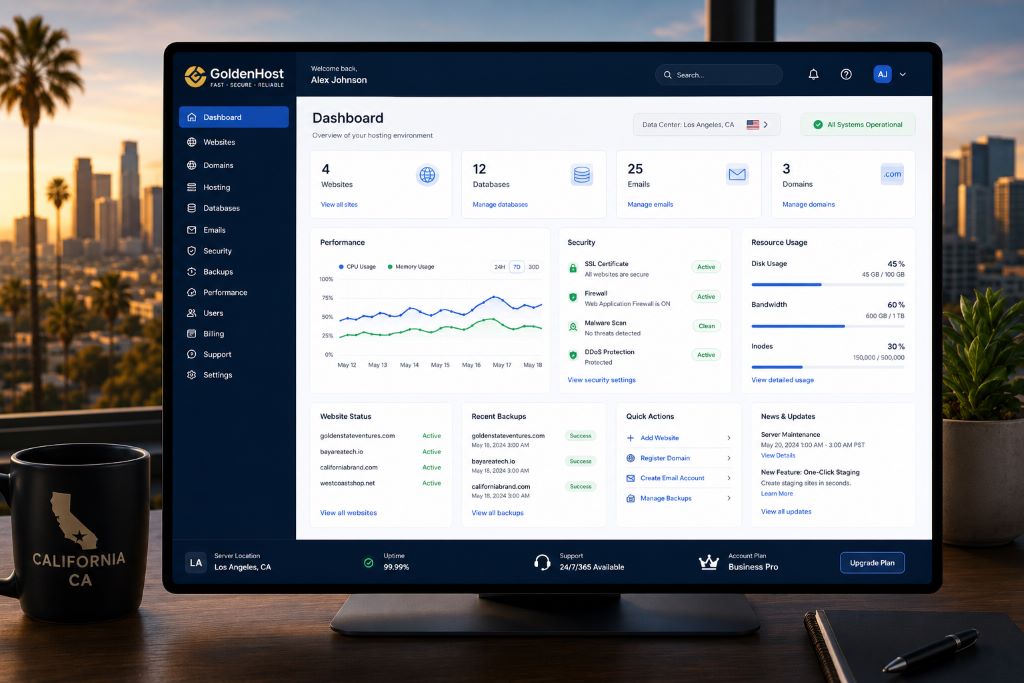
Expert Hosting Tips Beginners Should Follow
Tip 1: Start with a Reputable Hosting Provider
Not all hosting providers are created equal. Beginners should choose a provider with a strong reputation for reliability, security, and support. Look for providers that offer a 99.9% uptime guarantee, free SSL certificates, and 24/7 customer support.
Popular options for beginners in California include Bluehost, SiteGround, and HostGator. These providers offer user-friendly interfaces, one-click installations for platforms like WordPress, and scalable plans.
Tip 2: Understand Your Hosting Needs
Before choosing a hosting plan, assess your website’s needs. Consider factors like expected traffic, storage requirements, and the type of website you’re building. For example, a personal blog has different needs than an e-commerce store.
A website hosting guide can help you compare shared hosting, VPS, dedicated servers, and cloud hosting. Shared hosting is cost-effective for beginners, while VPS and dedicated servers offer more control and resources for growing websites.
Tip 3: Prioritize Security from Day One
Security should be a top priority from the moment you launch your website. Choose a hosting provider that offers free SSL certificates, DDoS protection, and regular malware scans. Additionally, implement strong passwords and two-factor authentication (2FA) for all accounts.
Regularly update your website’s software, plugins, and themes to patch vulnerabilities. A 2025 report by Wordfence found that 56% of hacked WordPress sites were running outdated software.
Tip 4: Implement Automated Backups
Backups are your safety net in case of data loss. Choose a hosting provider that offers automated backups, or use a third-party service like UpdraftPlus or Jetpack. Store backups offsite, such as in cloud storage, to ensure they’re safe even if your server fails.
Test your backups regularly to ensure they can be restored quickly and correctly. A website hosting guide often recommends the 3-2-1 backup rule: keep three copies of your data, store them on two different media, and keep one copy offsite.
Tip 5: Optimize for Speed and Performance
A fast website improves user experience and SEO rankings. Optimize your site by compressing images, enabling caching, and minimizing the use of plugins. Use tools like Google PageSpeed Insights to identify performance bottlenecks.
Additionally, choose a hosting provider with fast servers and a content delivery network (CDN). A CDN distributes your website’s content across multiple servers worldwide, reducing load times for visitors in different locations.
Tip 6: Monitor Your Website Regularly
Regular monitoring helps you catch issues before they escalate. Use tools like UptimeRobot or Pingdom to track your website’s uptime and performance. Set up alerts for downtime, slow loading times, or security threats.
A California-based e-commerce store used UptimeRobot to monitor their site and received an alert during a server outage. They were able to switch to a backup server within minutes, minimizing downtime and lost sales.
Tip 7: Plan for Growth
As your website grows, your hosting needs will change. Choose a hosting provider that offers easy upgrades to more powerful plans. For example, you might start with shared hosting and later upgrade to a VPS or dedicated server as your traffic increases.
Additionally, consider the scalability of your website’s platform. WordPress, for example, can handle small blogs and large e-commerce stores with the right hosting and plugins.
Real-World Examples of Hosting Mistakes and Solutions
Example 1: The Slow-Loading Blog
A travel blogger in San Francisco chose a cheap hosting plan to save money. However, their site took over 10 seconds to load, leading to a high bounce rate. After switching to a premium hosting provider with optimized servers, their load time dropped to under 2 seconds, and their traffic increased by 50%.
Example 2: The Hacked E-Commerce Store
An online store in Los Angeles ignored security features and fell victim to a hacking attack. The hackers stole customer data and injected malware into the site. After migrating to a secure hosting provider with DDoS protection and regular malware scans, the store regained its customers’ trust.
Example 3: The Unprepared Traffic Surge
A tech startup in Silicon Valley launched a viral marketing campaign but didn’t anticipate the traffic surge. Their shared hosting plan couldn’t handle the load, causing the site to crash. They upgraded to a cloud hosting plan with auto-scaling, which adjusted resources dynamically to handle the increased traffic.
Related Topics:
FAQs About Avoiding Common Hosting Mistakes
1. What is the most common hosting mistake beginners make?
The most common mistake is choosing the cheapest hosting plan without considering reliability, security, or support. This often leads to slow loading times, frequent downtime, and poor customer service.
2. How can I choose the right hosting provider for my needs?
Assess your website’s requirements, such as expected traffic, storage needs, and budget. Compare hosting providers based on uptime guarantees, security features, customer support, and scalability options.
3. Why is server location important for hosting?
Server location affects your website’s loading speed. Choosing a server close to your target audience reduces latency and improves performance. For California-based websites, servers in the U.S. West region are ideal.
4. What security features should I look for in a hosting provider?
Look for free SSL certificates, DDoS protection, firewalls, regular malware scans, and automated backups. Additionally, ensure the provider offers strong passwords and two-factor authentication (2FA).
5. How often should I back up my website?
Implement automated daily backups and store them offsite. Test your backups regularly to ensure they can be restored quickly. The 3-2-1 backup rule is a best practice for data protection.
6. What can I do to improve my website’s loading speed?
Optimize images, enable caching, minimize plugins, and use a content delivery network (CDN). Choose a hosting provider with fast servers and consider upgrading to a more powerful plan as your traffic grows.
7. How can I handle a sudden traffic surge?
Choose a hosting provider with scalable options, such as cloud hosting or VPS. These plans allow you to upgrade resources dynamically to handle increased traffic. Additionally, use a CDN to distribute content and reduce server load.
Conclusion
Avoiding common hosting mistakes is essential for building a successful website in California. From choosing the right hosting provider to prioritizing security and performance, every decision impacts your site’s reliability, speed, and user experience. By following the hosting tips beginners outlined in this guide, you can avoid costly errors and set your website up for long-term success.
California’s digital landscape is competitive, but with the right hosting strategy, you can stand out. Invest in a reputable provider, optimize for performance, and plan for growth. Your website is the foundation of your online presence—make sure it’s built on solid ground.
Call to Action
Ready to launch your website without the common pitfalls? Start by evaluating your hosting needs and choosing a provider that aligns with your goals. Implement the strategies in this guide to avoid web hosting mistakes California beginners often make.
Share this article with fellow entrepreneurs and website owners to help them navigate the hosting landscape with confidence. Together, we can build a stronger, more reliable digital future for California’s businesses.