
Call display issues can disrupt daily communication and create confusion during important calls. Many mobile users experience missing caller names, delayed caller identification, or blank incoming call screens. Recent mobile support reports show that caller identification issues remain among the most reported smartphone concerns. In many situations, users first notice related hardware problems such as proximity sensor not working on phone symptoms. Therefore, understanding the root cause helps restore reliable call notifications quickly and safely.
Understanding Call Display Problems
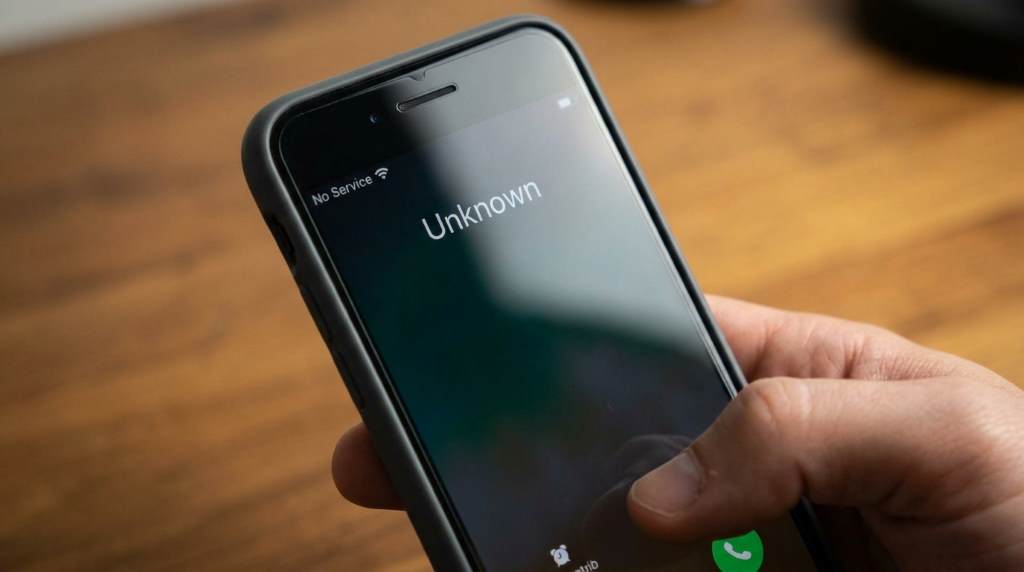
Call display problems appear in several forms. Some phones hide caller information completely. Others show numbers without names. In certain cases, the incoming call screen appears late. As a result, users miss important calls.
Software settings often trigger these issues. However, network problems can also contribute. Device storage limitations sometimes affect caller identification functions. Therefore, proper troubleshooting requires checking several areas.
Common Causes Behind Missing Caller Information
Several factors can prevent correct caller identification. Corrupted contacts remain a common cause. Additionally, outdated operating systems create compatibility issues. Third party calling apps may also interfere with normal functions.
Phone maintenance plays an important role in overall performance. Many users who follow eco friendly gadget disposal practices also perform regular device cleanups. Consequently, their phones often experience fewer software conflicts. Better maintenance supports stable calling features.
Check Network Connectivity First
Network interruptions can affect incoming caller information. Houston experiences seasonal storms and heavy rainfall. These weather conditions sometimes reduce signal quality. Consequently, caller identification services may fail temporarily.
Start by enabling airplane mode for thirty seconds. Then disable it again. This process refreshes network registration. In many cases, the caller display function returns immediately.
Verify Caller ID Settings
Most smartphones include caller identification settings. Users occasionally disable these options accidentally. Therefore, reviewing these settings should be an early troubleshooting step. The process takes only a few minutes.
Open the phone application settings. Locate caller ID options. Confirm that outgoing and incoming identification features remain active. Afterward, restart the device and test a call.
Update the Mobile Operating System
Software updates often contain bug fixes. Manufacturers regularly address call management problems through updates. Therefore, running an outdated version increases the chance of display issues. Keeping software current improves reliability.
Navigate to system update settings. Check for available updates. Install all recommended packages. Once completed, restart the device and verify caller information functionality.
Refresh Your Contacts Database
Damaged contact records can prevent name matching. The phone may display numbers instead of saved contacts. Fortunately, refreshing contacts often solves this problem. The process remains simple and effective.
Synchronize contacts with your preferred account. Then remove duplicate entries. After synchronization completes, test incoming calls again. Many users notice immediate improvements.
Clear Phone App Cache
Cached files help applications run faster. However, corrupted cache data sometimes creates unexpected behavior. Call display failures frequently originate from damaged temporary files. Therefore, clearing cache deserves attention.
Open application settings and select the phone app. Clear cache without deleting important data. Next, restart the device. This action often removes hidden software conflicts.
Check Permission Settings
Modern smartphones rely on permissions for many functions. If contact access becomes restricted, caller names may disappear. Therefore, permission reviews are essential during troubleshooting. Many users overlook this step.
Open privacy settings and review application permissions. Confirm that the phone app can access contacts. Also verify call management permissions. Proper access supports accurate caller identification.
Unique Issue: Houston Humidity and Device Sensors
A less discussed factor involves environmental conditions. Houston’s humidity can affect mobile devices over time. Moisture exposure may influence sensors and internal components. Consequently, unexpected call screen behavior can occur.
Store devices in dry environments whenever possible. Use protective cases designed for moisture resistance. Additionally, avoid leaving phones inside hot vehicles. These habits reduce long term performance issues.
Remove Problematic Calling Applications
Spam blockers and caller identification tools provide useful features. However, some applications conflict with native phone functions. As a result, caller information may appear incorrectly. Troubleshooting should include app reviews.
Temporarily disable third party calling applications. Then test incoming calls. If the problem disappears, identify the conflicting application. Finally, update or remove that software.
Recover Lost Contact Information
Missing contact records often create display confusion. Users sometimes believe caller ID failed completely. In reality, deleted contacts may be responsible. Therefore, contact recovery should not be ignored.
Many users explore guides about recover deleted phone photos after accidental data loss. Similar recovery habits help protect contacts and communication records. Consistent backups remain extremely valuable.
Business Phones Need Special Attention
Business users depend heavily on caller identification. Missed client calls can affect revenue and customer relationships. Therefore, stable call display functions remain critical. Quick troubleshooting prevents unnecessary disruptions.
Organizations selecting devices through resources about right smartphone for business often prioritize reliability features. Strong software support improves communication consistency. Device quality influences long term performance.
Reset Network Settings
Network settings occasionally become corrupted. This issue can affect call routing and identification services. Fortunately, resetting network configurations remains straightforward. The procedure does not damage personal files.
Access system settings and locate reset options. Choose network reset only. Reconnect to cellular and wireless networks afterward. Then verify caller display performance.
When to Contact Your Carrier
Carrier level issues sometimes affect caller identification services. Service configuration errors can prevent correct information delivery. Therefore, users should contact support when local troubleshooting fails. Carrier representatives can verify account settings.
Request confirmation that caller identification services remain active. Ask whether regional network maintenance exists. Support teams can also refresh account provisioning. These actions often resolve persistent problems.
Advanced Troubleshooting Steps
- Test the SIM card in another phone.
- Check for manufacturer specific updates.
- Review recent application installations.
- Scan for malware using trusted security tools.
- Create a fresh backup before deeper troubleshooting.
These steps help isolate complex causes. Moreover, they provide valuable diagnostic information. Technical support teams appreciate detailed findings. Faster diagnosis leads to quicker solutions.
Factory Reset as a Final Option
A factory reset should remain the last resort. This process removes software corruption completely. However, it also deletes local data. Therefore, complete backups remain essential.
After backing up files, perform the reset through system settings. Reinstall only necessary applications initially. Then test incoming calls before restoring everything. This approach identifies recurring conflicts.
Preventing Future Call Display Problems
Prevention saves time and frustration. Regular updates reduce software bugs. Consistent backups protect contact information. Additionally, careful application management minimizes conflicts.
Users should review permissions periodically. They should also remove unused applications. Furthermore, protecting devices from excessive heat and moisture improves reliability. Small habits often prevent major issues.
Conclusion
Call display problems can result from software bugs, network issues, damaged contacts, or environmental conditions. Fortunately, most cases have straightforward solutions. By following the steps above, users can restore reliable caller information and improve communication. Start with simple checks, progress through advanced fixes, and contact your carrier if necessary. Take action today to keep every important call visible and easy to answer.
FAQs
Why does my phone show numbers instead of contact names?
Corrupted contacts, sync issues, or permission restrictions commonly cause this problem.
Can weather affect caller identification?
Yes, severe weather can temporarily reduce network quality and impact caller information delivery.
Should I clear my phone app cache?
Yes, clearing cache often removes corrupted temporary files that affect call display functions.
Can third party apps interfere with caller ID?
Yes, some spam blockers and calling tools can conflict with native phone features.
When should I contact my carrier?
Contact your carrier after device troubleshooting fails to resolve the issue.
Learn how to fix call display problems on mobile phones with practical troubleshooting steps, network checks, and expert solutions.